Most sales professionals prepare for a call by reviewing the account, the proposal, or the presentation they plan to deliver.
Very few prepare their questions.
That gap is where deals slow down, pricing pressure increases, and prospects quietly disengage.
A strong sales conversation is not defined by how well you explain your solution. It is defined by how well you uncover the truth.
Why This Question Matters More Than It Sounds
As the video highlights, a great sales call is filled with questions, often far more than most salespeople realize.
The opening “How are you today?” is already a question.
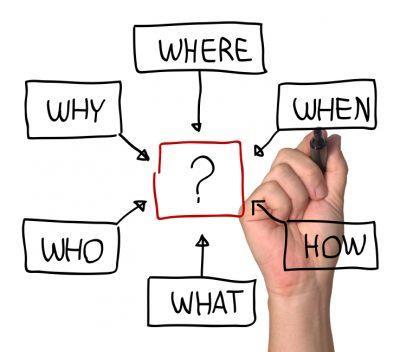
From there, effective sales professionals layer in different types of questions throughout the conversation, including:
Discovery questions to uncover pain, impact, and urgency
Follow-up questions that dig deeper into what the prospect just shared
Clarifying questions to prevent assumptions and misunderstandings
Leading questions that help prospects connect dots on their own
Consensus-building questions that surface internal alignment issues
Decision-process questions that expose how and when choices are actually made
When these questions are intentional, the salesperson maintains control while the prospect does most of the talking.
That is not accidental. It is a skill.
The Real Coaching Opportunity for Sales Leaders
This video is also a powerful coaching tool.
A simple question to ask your team in your next sales meeting is this:
“How many questions are in a really good sales call?”
Most teams cannot answer it.
That opens the door to meaningful coaching conversations around preparation, discipline, and execution. Not about effort, but about strategy.
Salespeople who struggle to close at full price, face repeated stalls, or hear “not this quarter” often are not asking enough of the right questions early in the process.
They are reacting instead of leading.
Are You Prepared for the Questions You Will Receive?
Planning questions is only half the equation.
High-level prospects will ask their own questions, about price, timing, competitors, and risk. Salespeople who are unprepared often lose confidence and control in those moments.
Strong performers anticipate both sides of the conversation.
They know what they plan to ask, and they are ready for what is likely to come back at them.
That level of preparation separates average conversations from professional ones.
A Resource Worth Using, Not Just Knowing About
As mentioned in the video, there is a library of over 100 sales questions available through Sandler resources. These are not scripts. They are frameworks that help sales professionals think more clearly, listen more effectively, and guide conversations without pressure.
Used correctly, they become a competitive advantage.
If your sales team is working hard but struggling with inconsistent results, stalled deals, or price resistance, the issue may not be motivation or talent.
It may be how your team is asking questions.
Gerry Weinberg & Associates helps sales leaders coach stronger conversations, build repeatable sales processes, and develop teams that lead instead of chase.
Schedule a conversation to evaluate how your team prepares for sales calls, and how improving questioning skills could immediately impact results.