Why Emotional Language Matters More Than “Interest” in Sales Conversations
Jane believed she had three strong opportunities in her pipeline.
- Meetings were scheduled.
- Decision makers were identified.
- Notes were documented.
On the surface, everything looked healthy.
Yet her deals were not advancing, and her quarterly income goal was slipping further out of reach.
If you are a sales leader or revenue producing professional in a competitive market like Detroit, Chicago, Toronto, or any growth-focused metro area, this scenario is probably familiar. The pipeline appears active, but forecast confidence is low.
Jane’s manager, Mario, asked a simple question that changed everything:
“What makes you certain these prospects are qualified?”
Jane pointed to Acme and Betterway. One contact was “actively exploring” a change. Another was “considering switching vendors.” One had even called her first.
That felt like progress.
Then they discussed Century.
The CEO there was not exploring. He was concerned. He was disappointed in mid year production numbers. He was committed to doing something about it. He had set aside $20,000. He would personally make the decision within the week.
Same salesperson. Same skill level. Three different conversations. Only one truly qualified opportunity.
The difference was not calendar activity. It was emotional engagement.
The Quiet Cost of Intellectual Interest
Many sales teams mistake curiosity for urgency.
Prospects say they are exploring options or thinking about alternatives. Those words sound promising. They signal awareness. They create hope.
But hope does not close deals.
Emotion moves deals forward.
When a prospect says they are frustrated, concerned, disappointed, or determined, you are hearing something fundamentally different. You are hearing urgency tied to consequences.
That emotional gap between where they are and where they want to be is what Sandler defines as pain. Without pain, there is no compelling reason to act.
And without confirmed budget and a clear decision process, there is no qualified opportunity.
This is where many pipelines quietly inflate. Deals remain in forecast because they feel active, not because they are real.
Where DISC Strengthens Qualification
Not every buyer expresses emotion the same way. This is where understanding DISC behavioral styles becomes powerful.
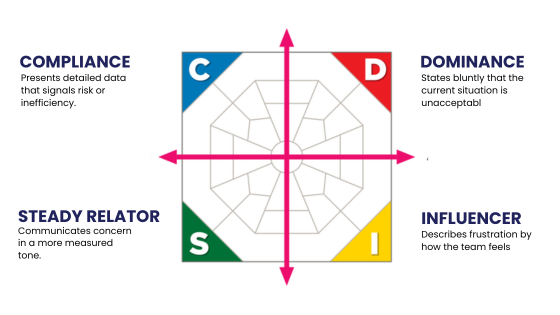
A high dominance leader might state bluntly that the current situation is unacceptable. An influence style may describe how frustrated the team feels. A steady style may communicate concern in a more measured tone. A conscientious buyer might present detailed data that signals risk or inefficiency.
If your sales team lacks awareness of behavioral styles, they can easily miss pain that is expressed in a quieter or more analytical way.
When qualification discipline is combined with DISC insight, sales conversations improve in three ways:
First, salespeople recognize urgency signals faster.
Second, they ask sharper follow up questions.
Third, they avoid misreading personality as lack of interest.
This alignment between behavioral awareness and structured qualification shortens sales cycles and improves forecast accuracy.
Disqualifying More to Close More
Mario told Jane something that most sales professionals resist hearing.
“The more you disqualify, the more likely you are to hit your number.”
It sounds counterintuitive. But it is true.
When Jane stopped chasing intellectually curious prospects and focused on emotionally engaged ones, her time allocation changed. Her conversations deepened. Her energy improved.
She hit her quarterly target.
Not because she worked harder.
Because she worked qualified opportunities.
For sales leaders, this discipline impacts more than individual performance. It affects coaching conversations, revenue predictability, and culture. Teams that understand true qualification stop celebrating activity and start measuring commitment.
The Takeaway for Sales Leaders and Business Owners
If your pipeline looks busy but feels uncertain, step back and listen to the language your prospects are using.
Are they exploring and considering?
Or are they concerned and committed?
The words matter.
Qualification is not about optimism. It is about uncovering emotional pain, clarifying budget, and confirming the decision process. When those three elements align, opportunities move.
When they do not, they stall.
Strengthen Your Team’s Qualification Skills with DISC
If you want your team to better recognize buying signals, adapt to different behavioral styles, and qualify opportunities with greater precision, the next step is practical.
Download the Sandler resource:
5 Secrets to Sales Success Using DISC
This guide will help you understand how behavioral styles influence buying decisions and how to adjust your sales approach accordingly.
If you want a stronger pipeline, start by redefining what “qualified” really means.