We’re 18 days into January. The glow of new goals is fading, routines are trying to slide back into place, and the real work begins: making sure your new habit actually sticks.
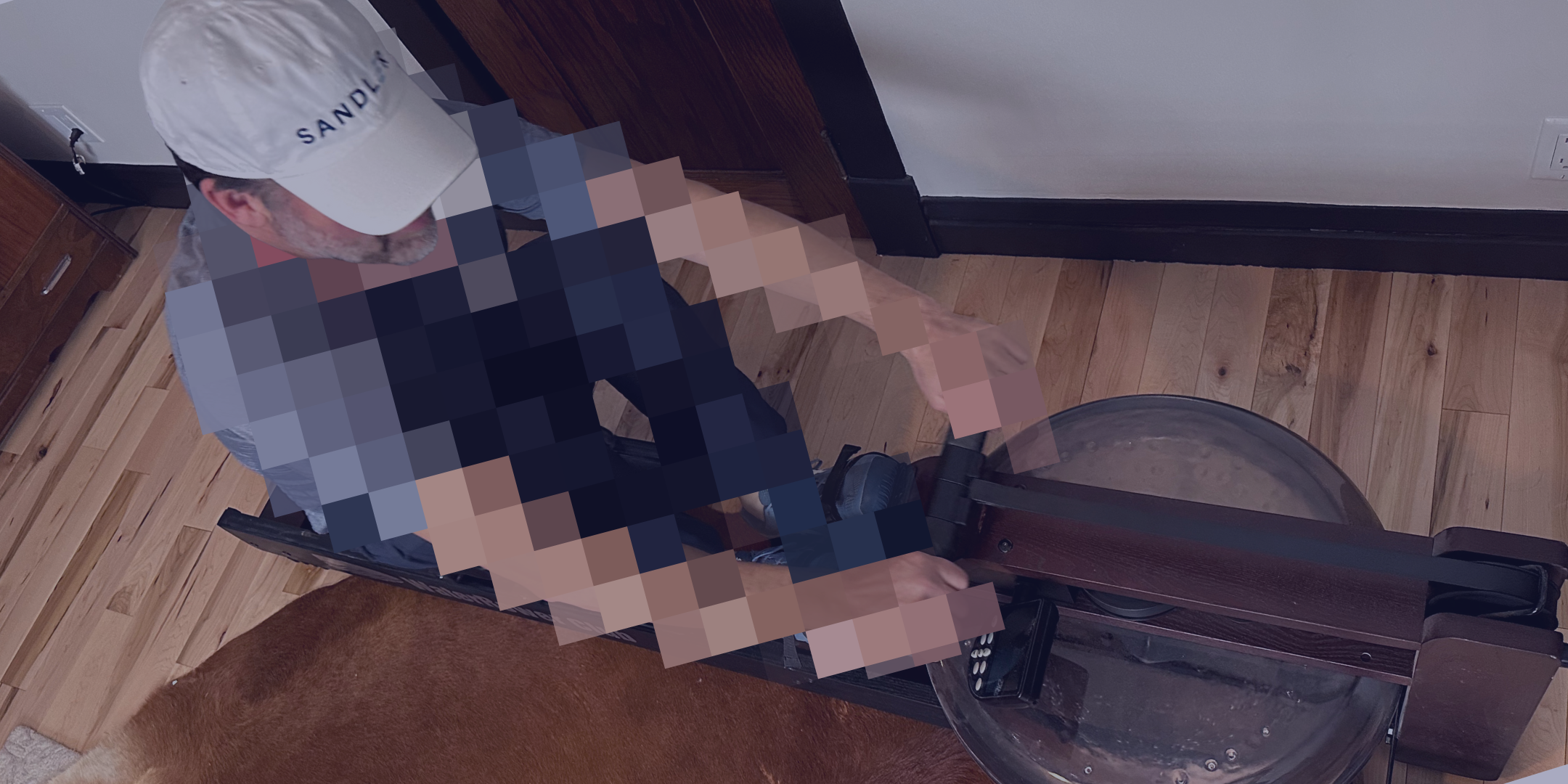
Last year I made a change that started small and turned into something bigger than I expected: 20 minutes of rowing every day.
I’ve always cared about health, but as part of my 2026 vision (and my “life wheel” balance), I’m making it a priority. That includes reducing alcohol, sugar, and carbs, increasing exercise, and building a lifestyle that supports everything else I care about—family, energy, focus, and enjoyment.
The Moment the Habit Took Hold
For months, my exercise routine was “3–4 times per week.” It sounded reasonable. But when I looked at my tracking app, the truth was obvious: inconsistent at best.
Then sometime in December I realized I’d gone nearly two weeks straight without missing a day.
And something clicked.
Once the streak exists, your brain starts competing with itself. It stops being “Should I work out today?” and becomes “How long can I keep this going?”
My minimum is 6,000 meters per session. The target is 20 minutes. Once a week I aim to match a personal best. I’m on day 36 and I plan to take it to the end of the year. In summer, the streak will flex: paddleboard at the lake, a hike if the board isn’t an option. I’m also adding a weekly “grand paddle”—a destination trip, likely on Lake of the Woods—and I want one big competition this summer that puts my training to the test.
Two years ago I did the 42 km Red River paddle from St. Vital Park to Selkirk on a day with a 20-knot headwind. I finished in six hours, and I almost didn’t finish at all.
That’s the point: consistency creates capability.
The Unexpected Bonus: A Competitor
I mentioned my streak to a client and he said he was on day 75 of his routine.
Now I have someone to check in with. Encourage. Banter with. Compete against—in a healthy way.
That social pressure (even lightly) matters. It reinforces the identity you’re building.
What This Has to Do With Business Development
If you’re a sales leader, this is where it gets practical.
Most business development plans fail for the same reason most January goals fail: we rely on motivation instead of behaviours.
Ask yourself:
Are you creating streaks in your business development activities?
Are you doing the minimum 10 dials a day?
Are those conversations becoming two meetings per week?
Are you having at least one meeting per week where you talk about money?
Training matters. But training without consistent execution is just information.
Five Lessons for Turning New Behaviours Into Habits
1) Start simple (but better than today).
Don’t start perfect. Start repeatable. In your business, that might mean daily prospecting “micro-sessions” instead of two big half-days that get bumped.
2) Set a baseline—and measure it.
Rowing taught me something sales leaders already know: what gets measured gets managed. Choose a baseline you can hit consistently.
3) Add a stretch goal with built-in breaks.
Pushing matters, but so does recovery. Exhaustion—physical or sales exhaustion—kills consistency. Set stretch goals and plan breaks so the routine survives real life.
4) Find a competitor or accountability partner.
In sales: find a peer and do monthly accountability meetings. Share behaviours and results. The standard rises when someone else is watching.
5) Make it synergistic.
The best habits fuel other parts of your life wheel. My morning rowing improves energy, focus, patience, relationships, and how I show up for clients. Your BD routine should do the same—reduce stress, increase confidence, and create momentum.
Make It a Streak
Life is balance and challenge across the whole wheel. Your vision board is inspiration. The strength is within you—but consistency is how you access it.
If you’re a sales leader building a team, what streak could you start this week that would change your pipeline by March?
If you want help turning sales behaviours into a simple, trackable system, come crash a class in Winnipeg or book a 15-minute chat!