Why Small Talk Isn’t Enough to Create Real Rapport
Last week, I went to meet with my bank manager.
The very first thing he said to me—on a Thursday—was, “How was your weekend?”
Now, don’t get me wrong. I know he was trying to be polite. He was trying to be friendly. He was trying to “build rapport.”
But this, to me, is rapport done wrong.
We’ve all been trained to believe that rapport starts with small talk. The weather. Sports. Traffic. The weekend. It’s automatic. Almost scripted. And because it’s so common, it feels safe.
It also feels forgettable.
Every time we meet someone—especially in business—the default is the same shallow exchange. And while there’s nothing offensive about it, there’s also nothing memorable about it. Small talk doesn’t create a connection. It simply fills the silence.
And in sales, leadership, and any professional relationship that matters, filling silence is not the same as building trust.

Going Deeper Than Looking Nice
If you want to create connections that actually last, you have to go deeper than being pleasant.
Every time I walk into a meeting—whether it’s with a prospect, a client, or a strategic partner—I prepare. Not just my agenda, but my curiosity. I take time to learn who they are, what they do, what they care about, and what might be keeping them up at night.
Then I come in with better questions.
Not clever questions. Not questions designed to make me sound impressive. But thoughtful questions that signal something very specific: I took this meeting seriously, and I took you seriously.
That alone separates you from most people they meet.
Real rapport is not built by trying to be interesting. It’s built by being interested.

The Difference Between Small Talk and Meaningful Rapport
Small talk focuses on what’s easy.
Meaningful rapport focuses on what matters.
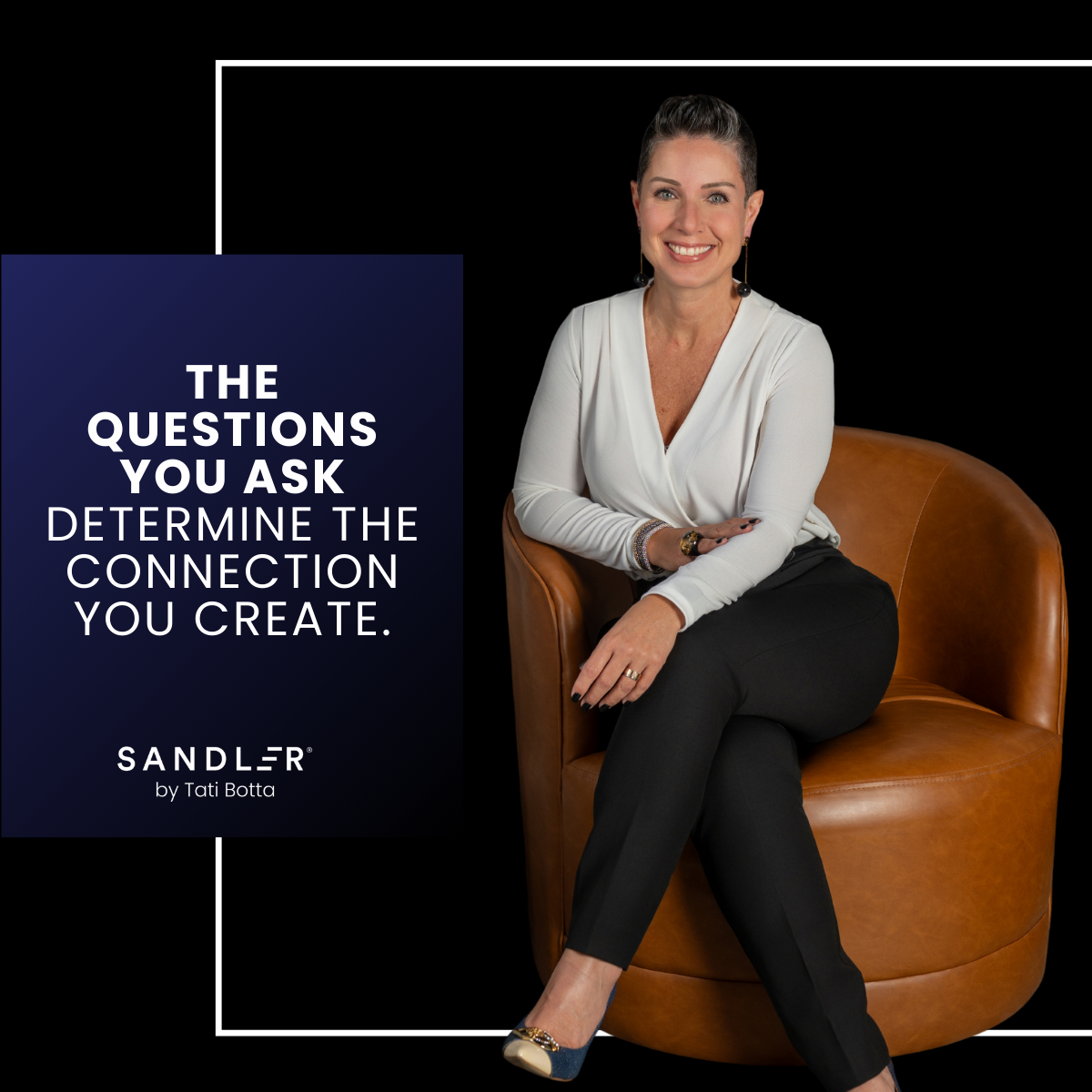
Questions that create real rapport are questions about them—their role, their challenges, their priorities, their goals. When you ask these kinds of questions, you’re doing more than starting a conversation. You’re setting a tone.
You’re showing preparation. You’re showing respect. You’re showing genuine interest, and most importantly, you’re creating emotional safety. People feel seen. They feel heard. They feel valued.
That’s where trust starts.
If you’re trying to build rapport, you must be willing to go one step further than everyone else. Don’t default to the obvious. Don’t hide behind trivial topics. Ask something that requires thought. Ask something that shows intention.
Because rapport isn’t about being liked. It’s about being trusted.
Creating Rapport That Lasts
The strongest professional relationships I’ve built didn’t start with perfect weather conversations or shared opinions about sports teams. They started with curiosity, presence, and questions that invited honesty.
Rapport that lasts is intentional. It’s thoughtful.
And yes, sometimes it’s uncomfortable—because it requires you to actually pay attention.
But that discomfort is exactly where connection lives.
If you want to improve this aspect—whether in sales conversations, leadership meetings, or high-stakes discussions—I’m happy to help. You can schedule a discovery call, and we’ll bounce ideas that fit your style and your goals:
Schedule here: https://meetings.hubspot.com/tatiana-botta
Next week, I’ll be discussing DISC and how understanding behavioral styles elevates rapport to an entirely different level—one that fosters trust that truly lasts.
Talk to you soon.
Tati