How to Make Golf a Part of Your Prospecting Plan
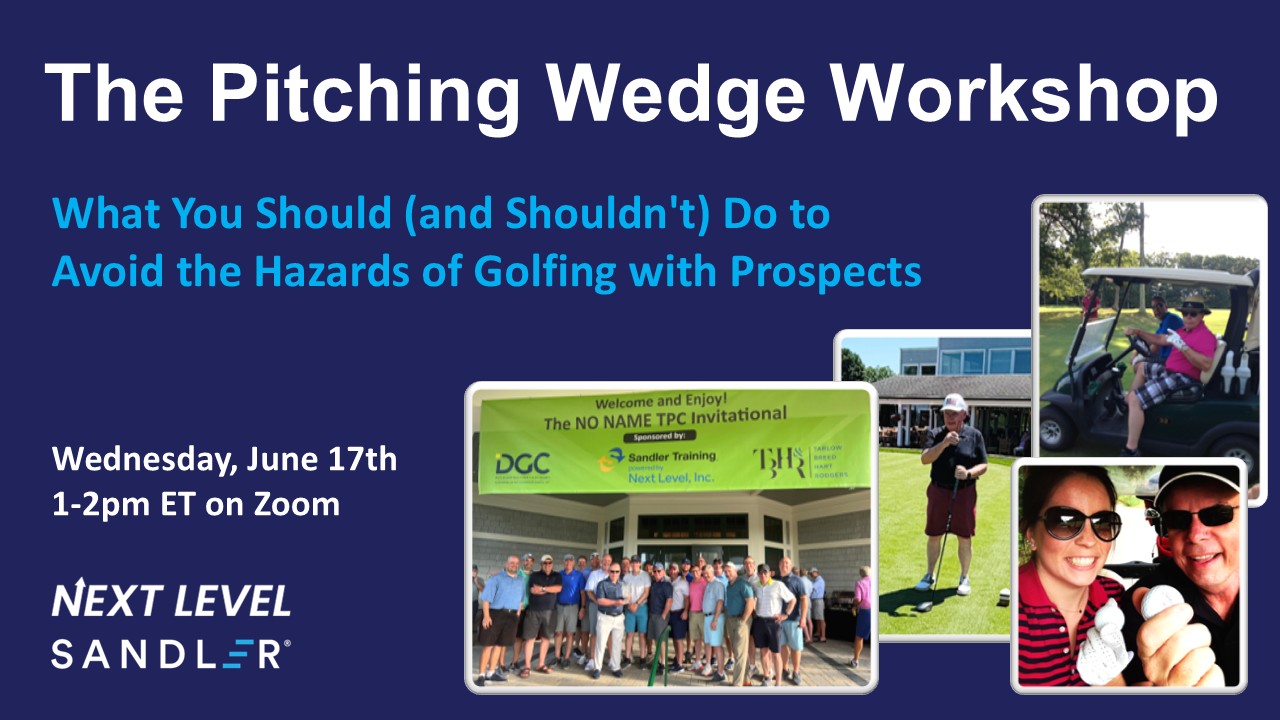
Over the years, I've heard countless professionals say some version of the same thing: "I've spent a lot of time on the golf course with prospects, but I can't really point to much business that came from it." My response is usually straightforward.
Golf doesn't create business. Relationships create business. Golf simply creates an environment where relationships can develop faster.
The problem is that many professionals approach golf outings without a strategy, purpose, or understanding of what actually makes them effective. They treat the outing like a reward, a social event, or worse, a four-hour sales call.
I've been hosting prospects, clients, referral partners, and business leaders on golf courses for more than 30 years. Some of the most valuable business relationships I've built started on a golf course. Some of those relationships generated opportunities worth millions of dollars over time.
If you're going to invest company time and money into golf outings, here are ten principles that have consistently worked for me.
1. People Buy Emotionally. They Remember Experiences.
Nobody gets into their car after a golf outing thinking about your product, your service offering, or your capabilities presentation.
They remember how they felt. They remember whether they enjoyed themselves. They remember who made them feel welcome. They remember who was interesting, thoughtful, and easy to spend time with.
Years later, more people will remember the experience than any pitch. Your job as the host is to create an experience worth remembering.
2. Hosting Is Better Than Being Invited
I always prefer to be the host. The host controls the experience, determines who attends, creates the environment, and becomes associated with the positive memories people take home.
When you're simply a guest, you're participating in someone else's event.
When you're the host, you're building your own platform for relationship development. Hosting requires more work. It also delivers significantly more value.
3. Invite People for a Reason
One of the biggest mistakes I see is random invitation lists of people can play, instead of people who should meet. Golf outings work best when there is intentionality behind the group.
- Who should meet each other?
- Who shares common interests?
- Who could potentially help one another?
- Who will contribute positively to the overall experience?
The goal is not to fill a foursome. The goal is to create an environment where meaningful relationships can develop. Think like a connector.
4. Don't Be Cheap. Don't Be Ridiculous.
There is a sweet spot. Nobody enjoys feeling like every dollar is being counted. At the same time, excessive spending can create discomfort and awkwardness.
The objective is to be generous, thoughtful, and professional. People should leave feeling appreciated. They should not leave feeling like you were trying to buy their affection.
5. Skip the Alcohol
This advice surprises some people. I don't drink on the golf course when I'm hosting business guests. This is a business activity.
You are observing personalities, facilitating conversations, making introductions, and managing the overall experience.
The host has responsibilities. You need your judgment, awareness, and your energy. You don't get to mentally check out.
6. Remember Why You're There
There are professionals who use golf as an excuse to avoid work. That isn't what we're doing. If your company is investing time and money into a golf outing, then treat it like any other business development activity.
- Prepare.
- Have a plan.
- Know who is attending.
- Think through desired outcomes.
Professional athletes don't show up without preparation. Business professionals shouldn't either.
7. Establish Expectations Up Front
One of the most overlooked elements of a successful outing is communication. Before the first tee shot, everyone should understand:
- How the day will unfold.
- Any friendly competitions.
- Pairings and logistics.
- What happens after the round.
- Where you'll gather afterward.
Clear expectations remove uncertainty and help everyone relax. This is no different than an Up-Front Contract in a business meeting.
People enjoy experiences more when they understand how the experience is supposed to work.
8. Get People Mixing
Some of the best conversations happen when people who didn't know each other six holes ago suddenly find themselves sharing a cart. Whenever possible, encourage people to mix throughout the round.
One strategy I've used for years is rotating carts every six holes.
New conversations emerge. New relationships form. New connections happen naturally.
As the host, stay focused. Your role is to facilitate. Let everyone else move around.
9. The Real Work Happens at the 19th Hole
Many professionals rush out after the round. Huge mistake. The clubhouse is often where the most valuable conversations occur.
This is your opportunity to connect people intentionally: Make introductions, explain why you invited certain people, highlight shared interests, point out opportunities for collaboration, and help people understand how they may benefit from knowing one another.
Most importantly, make sure people leave with contact information and a clear next step. Facilitating introductions creates far more value than delivering a sales pitch.
10. Never Sell
Never pitch. Never chase. Never become needy.
The golf course is not the place to corner someone into a business conversation. It's the place to build trust, demonstrate character, and create comfort. It's the place to establish equal business stature.
Ironically, the professionals who try hardest to sell on the golf course often generate the fewest opportunities. The professionals who focus on relationships tend to generate the most.
The Long Game
The more you host, the better you become. You learn how to bring the right people together, create memorable experiences, and how to facilitate conversations instead of controlling them.
Most importantly, people begin associating you with positive experiences, valuable introductions, and meaningful relationships. If you do it right, people will remember the round for years.
Those experiences lead to conversations. Those conversations lead to relationships. Those relationships lead to opportunities.
Either way, that is where the real return on investment comes from, sometimes directly, sometimes indirectly.
Golf isn't the sales strategy. Relationship building is.
Golf is simply one of the best venues I've ever found to make it happen.