
Turning Presentations Into Discovery Conversations
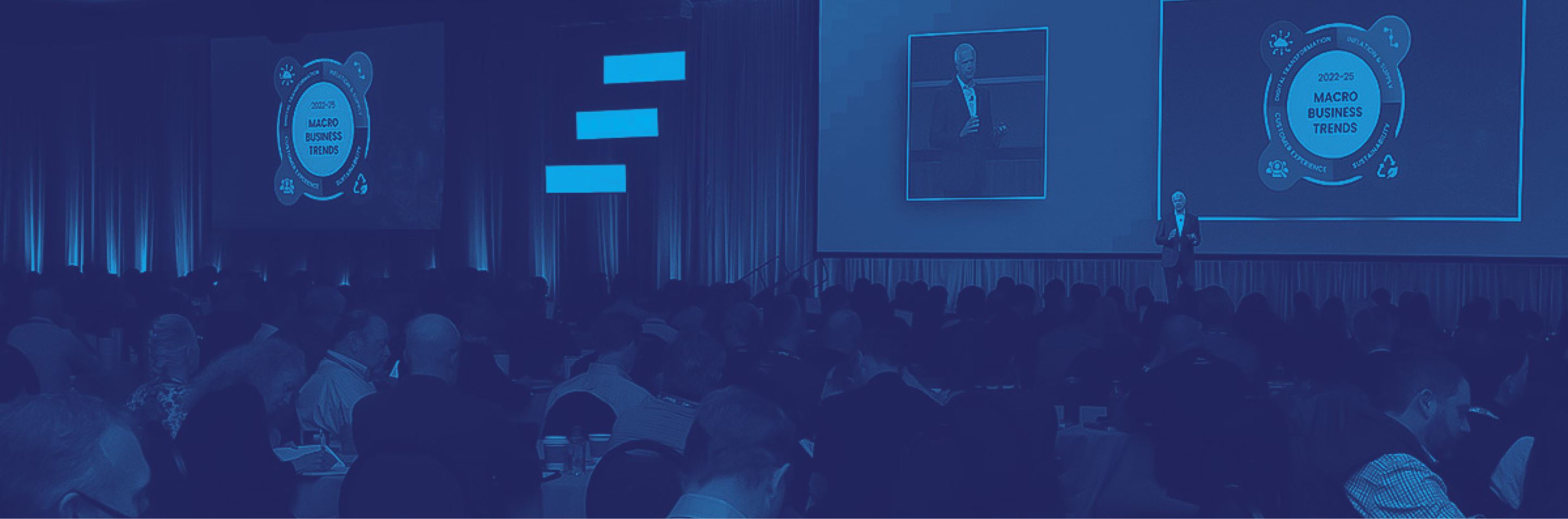
A client asks you to come in and present. Maybe it is a lunch and learn. Maybe it is a product update. Maybe it is an RFP interview, a capabilities meeting, or a “come educate our team” session.
So you prepare. You build the deck. You organize the talking points. You tighten up the examples. You make sure the slides look clean. You walk into the room ready to prove you know your stuff.
Then something painful happens... You talk too much. Not because you are unprepared. Usually, it is the opposite. You know the material so well that the meeting becomes a show-and-tell. You explain the process, the solution, the firm, the case studies, the differentiators, the options, and the next steps.
Everyone is polite. People nod. A few take notes. Someone says, “This was really helpful.” Then nothing happens. That is the trap.
A presentation can feel productive even when it never becomes a real business conversation.
The Buyer Asked for a Presentation.
They Still Need a Conversation.
The client asks for a presentation, so we assume our job is to present. We take the format literally. We believe the value is in the information we deliver.
But the buyer usually needs more than information. They need relevance. They need context. They need help thinking through their own situation. They need to connect what you know to what they are actually dealing with.
That does not happen when you spend 45 minutes talking at them. It happens when you create space for them to talk.
A strong presentation should not be a monologue. It should be a structured discovery conversation with visual support.
Discovery Does Not Disappear Because Slides Are Involved
One of the biggest mistakes team members make is thinking discovery only happens in a traditional sales meeting. It does not.
Discovery can happen during a lunch-and-learn. It can happen during a product update. It can happen during an RFP presentation. It can happen in a room full of technical people, executives, partners, or end users.
You just have to be intentional about running your meeting.
- Before you explain, ask.
- Before you recommend, understand.
- Before you move to the next slide, check whether the point actually matters to the people in the room.
That might sound like:
“Before I go too far into this section, can I ask where this shows up most often for your team?”
Or:
“We can cover this a few different ways. Is it more useful to talk through how this impacts your internal process, your clients, or your timeline?”
Or:
“Most firms we work with run into one of three issues here. I’ll name them quickly, and you can tell me if any of them sound familiar.”
That is still professional. It is still structured. It also turns the meeting into something the buyer participates in.
A Polished Deck Can Lead to a Weak Conversation
This is uncomfortable, but true. Sometimes, the better the deck is, the easier it is to hide behind it.
Slides can create a sense of safety. They give you somewhere to look. They tell you what comes next. They make the meeting feel in control.
But feeling in control is not the same as leading the meeting. Connection and discovery come from great questions, not great answers.
If your team member uses the deck to avoid asking a hard question, the buyer can sense it. If they rush through the slides because they are nervous, the buyer can feel it too.
The goal is to use structure without becoming trapped by it.
A good meeting has a plan. A great meeting has a plan and enough confidence to leave it when the buyer offers something better.
Teach Your Team to Satisfy the Format and Lead the Conversation at the Same Time
There is a balance here. If a client asks for a lunch-and-learn, give them something useful. If an RFP committee asks for a presentation, respect the process. If a current client asks for a product update, come prepared.
But do not confuse compliance with leadership. Your team can satisfy the format while still leading a better conversation. That starts with setting expectations early.
“At the end of this, our goal is not just to walk you through information. We’d like to make this useful based on what is most relevant to your team. We have a few points prepared, and we’ll pause along the way to ask where this connects to what you are seeing.”
That one statement changes the room.
It gives permission for discussion. It tells the buyer this will not be a lecture. It also positions your team member as someone who is there to discuss, not perform.
The Best Presenters Are Curious
The strongest client-facing professionals are not the ones who know every answer. They are the ones who know how to slow down, listen, and ask the question that makes the room think.
That is what turns a presentation into discovery. It is not about being slick. It is not about being entertaining. It is not about having the perfect slide.
It is about creating a conversation where the buyer hears themselves say what matters.
That is when the meeting changes, when a presentation becomes a business development opportunity, when a product update becomes a discussion about a bigger problem, or when an RFP presentation becomes a chance to understand the real decision behind the formal process.
To accomplish this, your team needs to ask better questions, listen longer, and stop treating every presentation like a performance.