

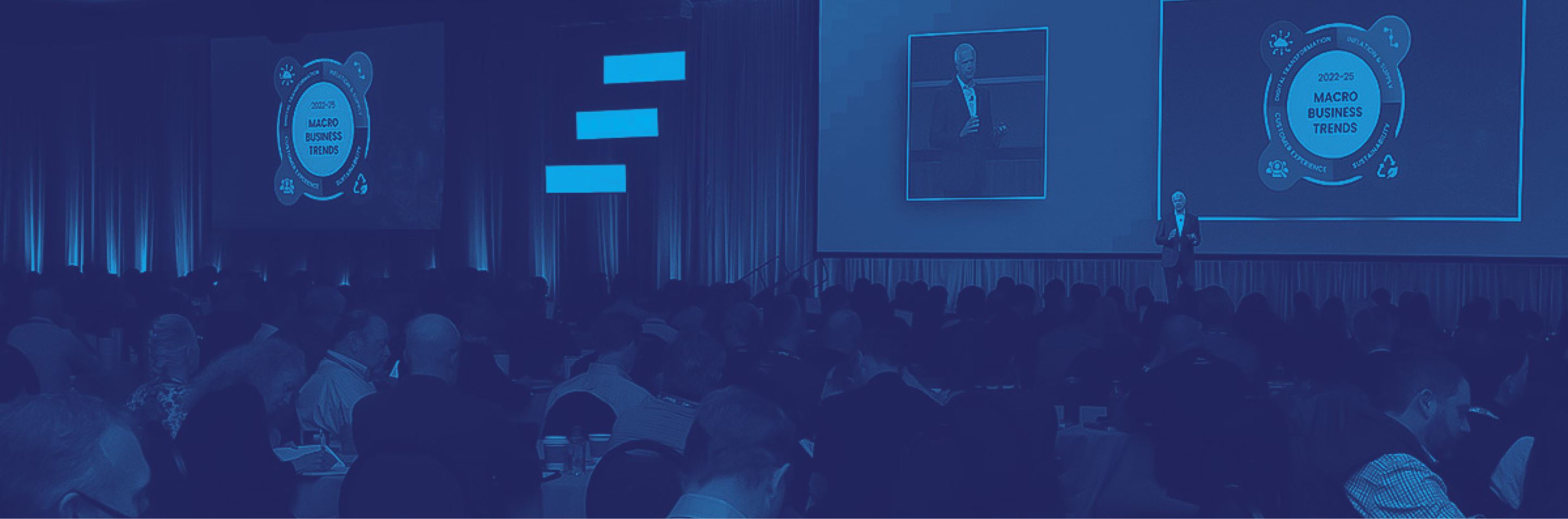
I've sat in on a lot of sales kick-offs. They're usually energetic, well-produced, and genuinely motivating. Everyone walks out fired up. And then 72 hours later, they're back to doing exactly what they were doing before.
This isn't a character flaw in your sales team. It's a fundamental truth about how human beings learn and change behavior: one-time events don't produce lasting change. They produce temporary motivation.
The Sandler sales management rule that addresses this is simple in its framing and demanding in its execution: train the way you want people to perform.
The Forgetting Curve Is Real
Learning researchers have documented what every sales manager intuitively knows: without reinforcement, people forget most of what they learned within a week. The initial enthusiasm fades. Old habits — which are deeply grooved neural pathways — reassert themselves.
This means that your annual two-day sales kick-off, no matter how good the content, is not a training program. It's an event. Events can inspire. They can't build skill.
What Reinforcement-Based Training Looks Like
Training that sticks is frequent, specific, and tied to real situations.
Weekly or bi-weekly skill sessions — even 30 minutes — that focus on one concept at a time. Role-play scenarios drawn from actual deals your reps are working. Structured debriefs of calls that didn't go as planned. Regular review of the fundamentals your team knows they should be doing but aren't doing consistently.
The consistency of the training has to match the consistency of behavior you're asking for. If you want your team to apply a sales process every single time, the process needs to be practiced, refined, and reinforced every single week.
A Culture of Learning
The sales managers I've seen build the strongest teams over time share a common characteristic: they treat their own development as seriously as their team's. They don't just administer training — they participate in it, model it, and talk openly about what they're still learning.
That creates a culture where ongoing learning is normal, not exceptional. And in that culture, improvement compounds.
The question isn't whether your team needs training. They do. The question is whether your training is built to produce lasting change — or just a very good Tuesday.