
Almost every salesperson has experienced it.
A prospect takes the meetings.
Seems engaged.
Asks questions.
Requests a proposal.
Then suddenly, nothing.
No response.
No decision.
No explanation.
Just silence.
Most salespeople assume ghosting happens because of pricing, timing, competition, or bad luck.
Sometimes that is true.
More often, ghosting is the result of something that happened much earlier in the sales conversation.
That is the uncomfortable part.
Ghosting is usually not a follow-up problem.
It is a qualification problem.
The Real Reason Deals Stall
One of the biggest mistakes salespeople make is confusing interest with commitment.
A prospect can be curious without being serious.
They can take meetings without having urgency.
They can ask for information without intending to make a decision.
They can like the salesperson and still choose to do nothing.
That is why so many opportunities feel promising right up until they disappear.
The salesperson believes momentum exists because the buyer keeps engaging.
Meanwhile, the buyer may simply be gathering information, comparing options, avoiding conflict, or postponing a decision they were never fully committed to making in the first place.
That disconnect creates stalled deals, endless follow-up cycles, and ghosting.
Salespeople Often Create Ghosting Without Realizing It
Most ghosting does not start after the proposal.
It starts the moment the salesperson begins moving faster than the buyer’s actual commitment level.
This usually happens when salespeople:
- present too early
- skip difficult qualification questions
- avoid conversations around budget or decision-making
- mistake politeness for urgency
- accept vague next steps
- continue chasing deals that should have been disqualified
In many organizations, salespeople are trained to keep opportunities alive at all costs.
So they continue following up, sending information, scheduling additional meetings, and hoping momentum eventually appears.
But hope is not a sales strategy.
Professional selling requires clarity.
Why Buyers Avoid Difficult Conversations
Most prospects do not intentionally wake up planning to ghost salespeople.
In reality, many buyers simply avoid uncomfortable conversations.
Telling a salesperson:
- “we are not moving forward”
- “we do not have urgency”
- “we are staying with the incumbent”
- “we do not have budget”
- “we are not aligned internally”
can feel uncomfortable.
So instead, many buyers delay responding.
They stop replying.
They postpone meetings.
They disappear behind “busy.”
The problem becomes worse when the sales process never created enough honesty or transparency early in the relationship.
That is why strong qualification matters so much.
The Cost of Ghosting Is Bigger Than Most Companies Realize
Ghosting does not just hurt morale.
It creates operational problems across the business.
Forecasts become unreliable.
Pipelines become inflated.
Sales cycles drag out longer than necessary.
Managers spend time coaching deals that are unlikely to close.
Salespeople waste hours chasing opportunities that were never real.
Over time, this creates frustration across the organization because activity stays high while predictability stays low.
Many companies do not actually have a pipeline problem.
They have a qualification problem disguised as a pipeline problem.
How Stronger Sales Conversations Reduce Ghosting
The goal is not to become more aggressive in follow-up.
The goal is to improve the quality of the conversations happening before the proposal ever gets sent.
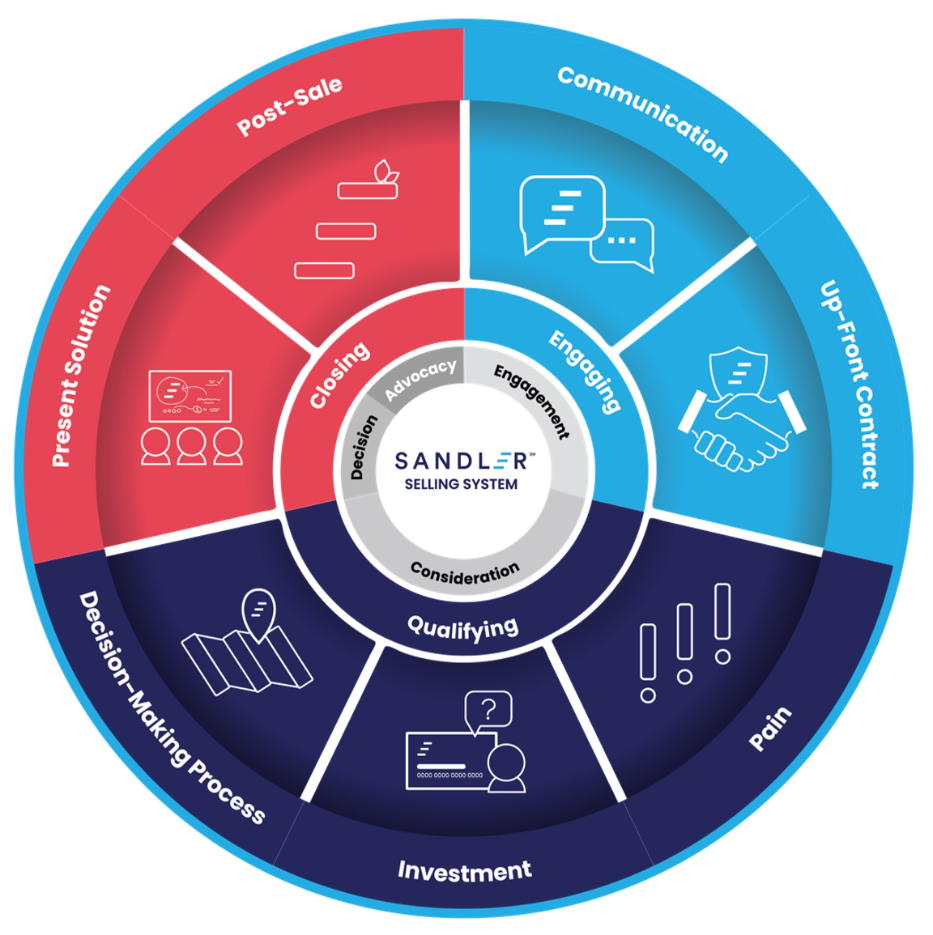
That means slowing the process down enough to understand:
- whether the problem is serious enough to solve
- what happens if nothing changes
- who is involved in the decision
- whether urgency truly exists
- what obstacles may prevent action
- whether both sides should move forward at all
Those conversations are not always comfortable.
But they create clarity.
And clarity dramatically reduces ghosting.
One of the core ideas within Sandler is that sales should be a conversation between adults to uncover the truth.
Not pressure.
Not persuasion.
Not chasing.
Just honest business conversations that help both sides decide whether it makes sense to move forward.
Ironically, salespeople who become more comfortable hearing “no” often spend far less time getting ghosted.
Final Thoughts
Ghosting will never disappear completely.
Some buyers will still avoid difficult conversations.
But organizations that improve qualification, create clearer expectations, and slow down premature selling usually experience fewer stalled deals, healthier pipelines, and far less wasted effort.
The solution is rarely “more follow-up.”
It is usually better conversations earlier in the process.
If this is something your team struggles with, we will also be discussing this topic in more depth during an upcoming Executive Briefing on preventing ghosting in sales.
You can learn more here.
Or feel free to reach out directly if you would rather have a practical conversation about what your team is experiencing.
Frequently Asked Questions About Ghosting in Sales
Why do prospects ghost salespeople?
Prospects often ghost salespeople because they were never fully committed to solving the problem in the first place. In many cases, the sales process moved forward before urgency, decision-making, budget, or true motivation were clearly established.
What causes deals to stall in the sales process?
Deals typically stall because of weak qualification, unclear next steps, lack of urgency, or premature presentations. Many sales teams mistake interest for commitment and continue pursuing opportunities that are not fully qualified.
Is ghosting usually a pricing problem?
Not usually. While pricing can sometimes be a factor, ghosting is more often tied to unclear value, lack of urgency, weak qualification, or buyers avoiding uncomfortable conversations about saying no.
How can salespeople prevent ghosting?
Salespeople can reduce ghosting by slowing down the sales process, asking better questions, uncovering business pain earlier, clarifying decision-making process, and establishing clear expectations before presenting solutions or pricing.
Why do prospects disappear after asking for a proposal?
Many prospects request proposals before they are truly ready to make a decision. Sometimes they are comparing options, gathering information, or avoiding difficult conversations about priorities, budget, or internal alignment.
What does Sandler teach about ghosting in sales?
The Sandler methodology teaches that ghosting is usually a symptom of weak qualification or unclear communication earlier in the sales process. Sandler focuses on helping salespeople uncover the truth before investing time in proposals and presentations.
How do sales leaders reduce ghosting across a sales team?
Sales leaders reduce ghosting by coaching stronger qualification, improving sales process consistency, reinforcing clear next steps, and helping salespeople become more comfortable discussing urgency, budget, and decision-making earlier in conversations.
What is the difference between interest and commitment in sales?
Interest means a prospect is curious or willing to engage in conversation. Commitment means the prospect is motivated to solve a problem, willing to take action, and prepared to make decisions around time, budget, and resources.
Why is qualification important in B2B sales?
Qualification helps sales teams determine whether an opportunity is real before investing significant time and resources. Strong qualification improves forecasting, shortens sales cycles, reduces ghosting, and increases sales efficiency.
Can ghosting be completely eliminated in sales?
No. Some buyers will always avoid difficult conversations or delay decisions. However, organizations that improve qualification and communication usually experience fewer stalled deals and significantly less ghosting.
.png)
.png)